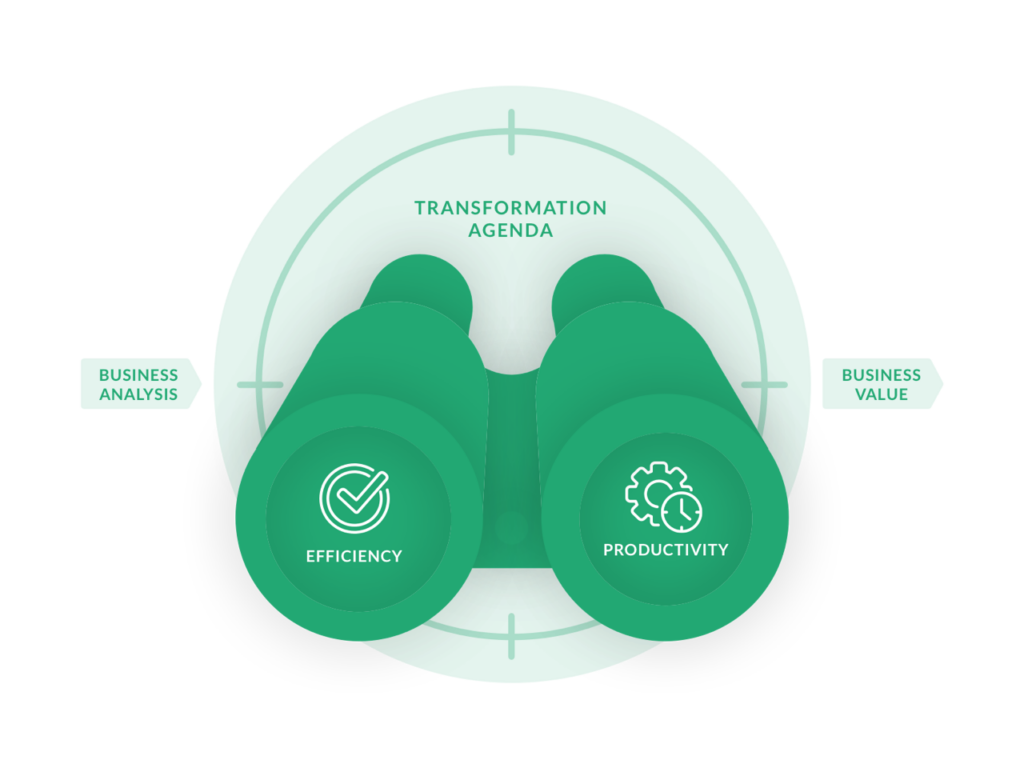

The transformation agenda is shifting: from more to better
Organizations are changing their transformation agendas. In recent years, much of the focus has been on new digital services, technology and capabilities. We are now seeing a stronger focus on demonstrable value. Organizations continue to invest, but they are taking a more critical look at what those investments actually deliver and how they contribute to organizational goals.
Category
Stories
Reading time
5 minutes
Research by KPMG supports that observation. In its survey, 72% of organizations say they continuously evaluate the business value and outcomes of all their technology investments. The quality of investment decisions is becoming increasingly important.
Efficiency and productivity are becoming bigger transformation priorities
In our conversations with organizations, we see productivity, efficiency and simplification carrying more weight in investment decisions. This also puts greater focus on existing processes and systems.
Many organizations have accumulated complexity over the years: processes with additional steps or handoffs, applications with overlapping functionality, data stored in multiple places, and tasks that employees still perform manually even though they could be automated.
This complexity often builds gradually. A new requirement leads to an additional application, an acquisition brings new processes, or a temporary workaround remains in use for years. Over time, this creates structural organizational friction that consumes capacity and makes change more difficult.
Removing that structural friction is therefore becoming a more prominent part of the transformation agenda.
Successful digital transformation starts with an analysis of the current state
Organizations that want to invest with purpose first need to understand where value is being created and where it is being lost. A broad analysis maps how processes, capabilities, systems and information currently contribute to the organization’s ambitions. It reveals where operations are running into difficulties, where dependencies or overlaps have emerged, and which parts of the organization need further development.
Looking only at documentation or the application landscape does not provide the full picture.
The day-to-day experiences of employees and customers also reveal where bottlenecks occur in practice and which constraints have a real impact.
The result is an objective view of the current state. This gives organizations a stronger basis for deciding which problems to address first and helps prevent them from selecting a solution before the actual need is clear.
From business analysis to a focused transformation roadmap
An analysis like this will usually identify more potential improvements than an organization can pursue at once. The next step is to make choices.
To identify the right priorities, organizations need to weigh the potential impact of each improvement against the effort required and its relationship with other initiatives. Its contribution to the desired capabilities and longer-term strategic direction also matters. This creates a well-founded sequence of priorities rather than a collection of disconnected projects.
A master plan therefore becomes even more important. The selected initiatives are incorporated into the roadmap and quantified in a business case. This provides a solid basis for comparing investments and selecting the projects that will deliver the greatest value.
A roadmap does not have to consist entirely of large, multi-year programs. Some structural improvements can deliver results relatively quickly while also contributing to a longer-term objective.
A pragmatic transformation approach starts with what is needed
What follows the analysis will differ from one organization to another. Sometimes the greatest gains come from simplifying processes or rationalizing the application landscape. Elsewhere, the organization may need a new capability, better integration between systems, or clearer priorities and governance.
A pragmatic transformation approach therefore starts with the organization’s current state and ambitions.
From there, you determine which changes are needed, the order in which they will deliver the most value, and the expertise required to make them happen.
This is also where the strength of a digital transformation agency with a broad toolbox comes into play. Business analysis, enterprise architecture, solution architecture and other disciplines are deployed where they add value. The approach is tailored to what the organization needs to achieve its objectives.
That pragmatism is also an important reason why organizations turn to ACOMPANY. They are looking for an approach that starts from their specific situation and includes only the steps that genuinely move their transformation forward.
A transformation agenda focused on demonstrable business value
The transformation agenda is becoming more selective. Organizations are looking more closely at their current state, the value they want to create, and the investments that will contribute most to achieving it.
This may lead to new technology and innovation, but it can just as easily result in simpler processes, fewer applications or better-organized data. The specific choice will differ for every organization. The underlying question remains the same: where can our transformation efforts create the greatest demonstrable value?
This allows organizations to focus their resources and attention on the changes that demonstrably create the most value.
Want to sharpen your transformation agenda and prioritize investments more effectively? Our experts are happy to discuss it with you.
Frequently asked questions about digital transformation
How do you decide which digital transformation projects to prioritize?
Start by analyzing the current state and identifying where processes, systems or capabilities have the greatest impact on the organization’s objectives. ACOMPANY uses business analysis to identify opportunities for improvement and translate them into priorities based on expected value, required effort and interdependencies.
Why is a master plan important for digital transformation?
A master plan brings different transformation initiatives together in a roadmap and links them to quantified business cases. This allows organizations to compare investments on a sound basis, identify dependencies and direct resources toward the projects expected to deliver the greatest value.
What is the role of business analysis in digital transformation?
Business analysis maps an organization’s current operations, needs and ambitions before solutions are selected. ACOMPANY looks at processes, capabilities, systems and information while also taking into account the day-to-day experiences of employees and customers. This creates a solid foundation for the transformation ahead.
What role does enterprise architecture play in digital transformation?
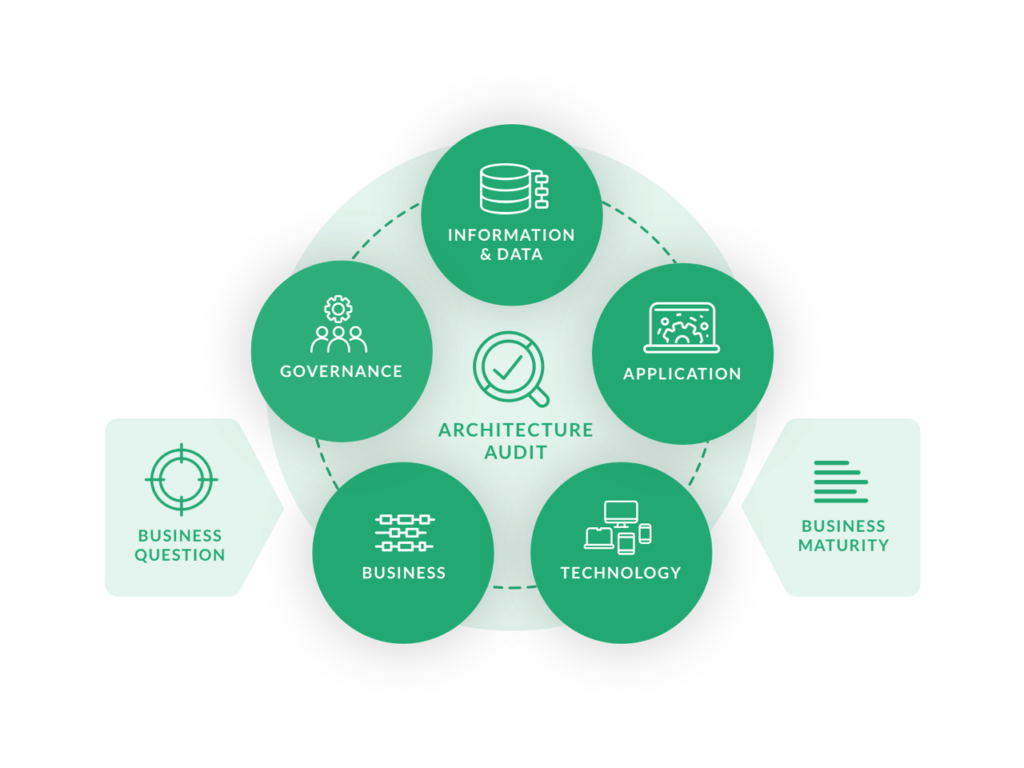
Enterprise architecture helps translate strategic choices into a coherent structure for processes, information, applications and technology. In ACOMPANY’s approach, architecture is used where it is needed to achieve the organization’s transformation objectives rather than as a standard step in every engagement.
How does ACOMPANY approach digital transformation?
ACOMPANY starts with the organization’s current state and ambitions. This determines which changes should take priority and what expertise is required. With a broad toolbox that includes business analysis, enterprise architecture and solution architecture, the approach can be tailored to what each organization actually needs.
Reliable partner
Ready to face the digital future with confidence? Then we are here for you.
Recent stories

Stay informed
Would you like to know more about strategic advice, pragmatic implementation, and tangible results of a digital transformation? Sign up for our newsletter now.